Cross-Strait Relations: Understanding the Impact of a Former President's Beijing Trip
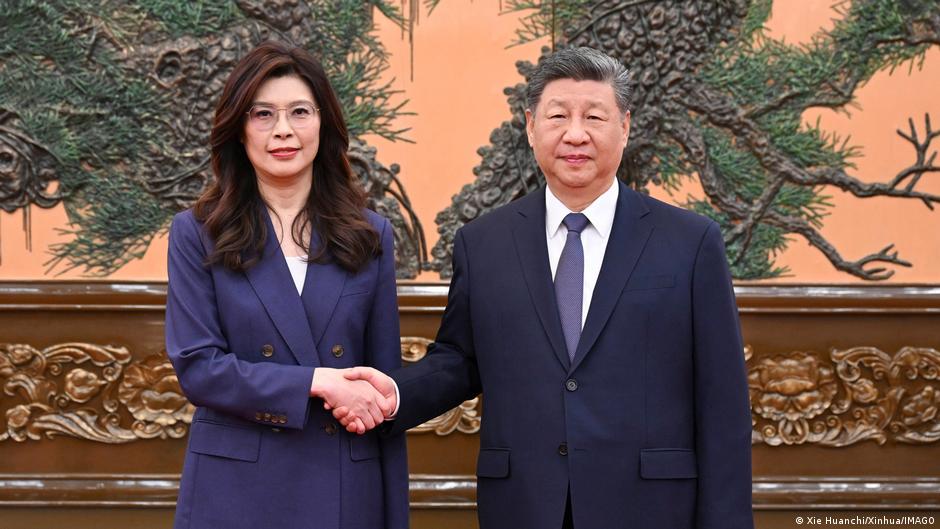
The intricate web of cross-Strait relations between Taiwan and mainland China is perpetually under scrutiny, with every high-profile interaction capable of sending ripples across the region and beyond. Recently, the prospect or reality of a former Taiwanese president's visit to Beijing, often associated with the opposition, has sparked considerable debate and speculation. Such a trip, where a significant figure representing a segment of the **Taiwan opposition besucht China**, carries profound implications for diplomacy, domestic politics in Taiwan, and regional stability. This article delves into the complexities surrounding such visits, analyzing their potential impacts and the delicate balance required to navigate these sensitive interactions.
The Delicate Dance of Cross-Strait Diplomacy
Cross-Strait relations are defined by a unique blend of historical ties, economic interdependence, and deep-seated political divisions. Beijing views Taiwan as an inseparable part of "one China" and a breakaway province that must eventually be reunited with the mainland, by force if necessary. Taiwan, on the other hand, operates as a de facto independent, democratic nation, albeit with varying degrees of international recognition.
Any high-level engagement between Taiwanese officials—current or former—and mainland China is therefore fraught with tension. When a former president, particularly one aligned with a more conciliatory stance towards Beijing than the incumbent Taiwanese government, embarks on a trip to the mainland, it inevitably raises questions about intent, mandate, and potential outcomes. These visits are often framed by Beijing as opportunities for "people-to-people exchanges" or dialogue between political parties, yet they are always interpreted through the lens of China's overarching unification agenda.
Beijing's Stance on Sovereignty and Strong Measures
China's approach to Taiwan is characterized by an unwavering assertion of sovereignty and a readiness to respond forcefully to perceived challenges to its territorial integrity. We've seen this play out vividly in response to visits by foreign dignitaries. For instance, strong warnings from Beijing regarding a potential visit by a high-ranking US official underscored China's resolve. Beijing stated it was prepared to take "strong measures" and warned against actions that could "severely damage relations" and "further escalate tensions" in the Taiwan Strait.
While a former Taiwanese president's trip is distinct from a visit by an external power like the US, the underlying principle of China's reaction remains consistent: any action that Beijing interprets as undermining the "One-China Principle" or promoting "Taiwan independence" will be met with a firm response. A former president's visit is often seen by Beijing as a chance to circumvent the current ruling party in Taiwan, which Beijing views as pro-independence, and to foster ties with figures more amenable to its narrative. This allows Beijing to project an image of continuous dialogue and eventual reunification, even if the current Taiwanese government is resistant.
Why a Former President's Trip Matters
The decision by a former Taiwanese president to travel to Beijing is never a simple personal journey; it's a political act with far-reaching consequences. These visits are closely watched by all stakeholders – the current Taiwanese government, the Taiwanese public, Beijing, and the international community – each interpreting the motives and outcomes differently.
For Beijing, such a visit from a prominent **Taiwan opposition** figure who **besucht China** is a strategic opportunity. It provides a platform to demonstrate continued engagement with Taiwan, reinforce the "One-China Principle," and potentially create divisions within Taiwan's political landscape. It can be used to signal that dialogue is possible, but only under Beijing's predetermined conditions.
Domestic Implications: Uniting or Dividing Taiwan?
Domestically, these trips are highly contentious. While some in Taiwan, particularly supporters of the opposition party, might view such a visit as a necessary step to de-escalate tensions, open channels of communication, and protect Taiwan's economic interests, others see it as a betrayal of Taiwan's sovereignty and democratic values.
The current ruling party in Taiwan often views these trips with suspicion, concerned that they may be used by Beijing to undermine Taiwan's government or sow discord among its citizens. There is a delicate balance between fostering dialogue and inadvertently legitimizing Beijing's claims over Taiwan. The former president's actions can therefore deeply polarize public opinion, leading to accusations of being out of touch or even aiding the adversary.
To understand the varied reactions such trips can provoke, it’s useful to read more about specific instances where a
Taiwan Ex-President's China Visit Sparks Controversy. Such events invariably highlight the deep divisions within Taiwanese society regarding its relationship with mainland China.
International Reactions and the One-China Principle
Internationally, a former president's Beijing trip is scrutinized for its impact on regional stability and the delicate geopolitical balance. Nations that maintain unofficial ties with Taiwan, particularly the United States, watch closely to see if such visits alter the status quo or if Beijing uses them to further its agenda.
These visits often test the limits of the "One-China Principle," which most countries acknowledge but interpret differently. While some countries recognize Beijing's claim over Taiwan, they also typically maintain robust unofficial relations with Taiwan, supporting its democracy and self-defense capabilities. A former president's engagement with Beijing can be seen as either a pragmatic step towards peace or a weakening of Taiwan's international standing, depending on the context and outcomes.
Navigating the Complexities: Strategies for Future Engagements
Given the sensitive nature of cross-Strait relations, future engagements by former Taiwanese leaders with Beijing must be approached with extreme caution and strategic foresight. The goal should be to serve Taiwan's long-term interests, preserve its democracy, and maintain regional peace, rather than merely scoring political points or playing into Beijing's narrative.
*
Transparency and Communication: Any delegation from the **Taiwan opposition** that **besucht China** should maintain clear and open communication with the current Taiwanese government and the public. Transparency can help mitigate suspicions and manage expectations, ensuring that the visit is perceived as acting in Taiwan's national interest.
*
Clear Mandate and Red Lines: Before embarking on such a trip, the former president or opposition delegation should define a clear mandate for their discussions and establish non-negotiable red lines concerning Taiwan's sovereignty, democracy, and self-determination.
*
Focus on Practical Issues: While political dialogue is inevitable, focusing on practical, non-political issues such as economic cooperation, cultural exchange, or humanitarian concerns can sometimes yield more constructive outcomes without compromising fundamental principles.
*
Avoiding Unilateral Declarations: It is crucial for any Taiwanese representative to avoid making unilateral declarations or commitments that could bind the current government or undermine Taiwan's international position.
The Role of Dialogue and De-escalation
Despite the inherent risks, dialogue remains a crucial tool in managing cross-Strait tensions. While Beijing has largely refused official dialogue with Taiwan's current ruling party, channels through opposition figures or former leaders might sometimes offer a limited avenue for communication. The challenge lies in ensuring that such dialogue contributes to de-escalation and mutual understanding without inadvertently legitimizing Beijing's political demands.
Analyzing the fallout from previous diplomatic efforts can provide valuable lessons. For a deeper dive into these dynamics, consider reading about
Analyzing Fallout: Taiwan Opposition's China Diplomacy. This can shed light on the successes and failures of past approaches.
Analyzing the Broader Impact on Regional Stability
The repercussions of any high-profile cross-Strait interaction extend beyond Taiwan and China, impacting the broader Indo-Pacific region. The international community, particularly powers like the United States, Japan, and Australia, closely monitors these developments. Escalated tensions in the Taiwan Strait not only threaten a major global shipping lane but also carry the risk of broader regional conflict, with profound economic and geopolitical consequences.
A former president's Beijing trip, depending on its tone and outcome, can either be seen as a small step towards easing tensions or a move that complicates regional stability by confusing international perceptions of Taiwan's stance. It forces international actors to reassess their own policies and preparedness for various contingencies in the region. Maintaining a stable and predictable environment requires careful calibration by all parties involved, ensuring that any high-level engagement contributes positively to peace rather than inadvertently creating further friction.
Conclusion
The decision for a former Taiwanese president to visit Beijing is a deeply complex and contentious issue, emblematic of the broader challenges in cross-Strait relations. While such trips may offer avenues for dialogue or potential de-escalation, they are fraught with political risks, both domestically within Taiwan and on the international stage. The sensitivities surrounding sovereignty, national identity, and the "One-China Principle" ensure that every move by the **Taiwan opposition** as it **besucht China** is scrutinized with intensity. Moving forward, any such engagements must prioritize transparency, align with Taiwan's democratic values, and ultimately serve the enduring goal of peace and stability in the Taiwan Strait, without compromising the island's hard-won autonomy.